


TL;DR
- Visit between June and October for calm seas, good visibility, and lower stinger risk
- Cairns and Port Douglas are the main bases, with day tours departing to the reef daily
- Snorkelling, glass-bottom boats, sea turtle encounters, and semi-submersibles suit all ages
- Pack reef-safe sunscreen, stinger suits, motion sickness tablets, and plenty of water
- Children as young as 4 or 5 can snorkel in calm inner reef areas with a parent close by
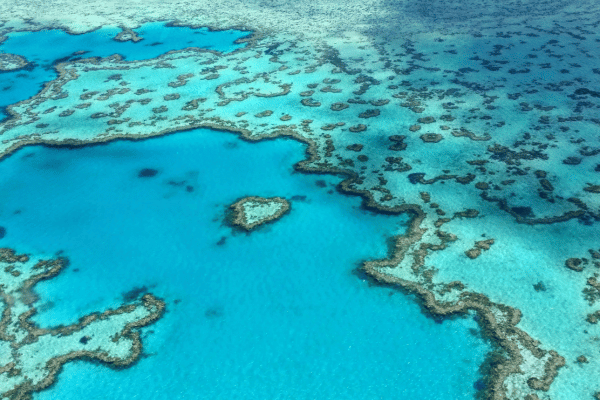
The Great Barrier Reef stretches more than 2,300 kilometres along the Queensland coast. It’s the world’s largest coral reef system, a UNESCO World Heritage Site, and one of the few destinations that genuinely delivers for every member of the family, from toddlers watching clownfish through a glass-bottom boat to teenagers snorkelling over coral for the first time.
A great barrier reef family holiday takes some planning. The right timing, the right tour operator, and a handful of practical habits can make the difference between a trip your kids remember for years and one spent managing seasickness on a rough crossing. This guide covers what you need to know before you book.
What Is the Best Time to Visit the Great Barrier Reef?
Two seasons shape the experience: the dry season (June to October) and the wet season (November to April).
The dry season is the right call for families. Seas are calmer, water visibility is better, temperatures sit between 18°C and 26°C, and marine stinger risk is lower. Queensland school holidays fall in July, making it a natural fit for families travelling during term breaks.
The wet season is harder. Expect heavier rain, stronger winds, reduced water clarity, and higher heat and humidity. It also coincides with marine stinger season.
Marine stingers, including box jellyfish and Irukandji, are present in reef waters from roughly October to May. Most tour operators provide lycra stinger suits, but the risk is worth thinking through when travelling with young children. If you can choose, June to September gives the clearest window.
| Month | Season | Good for Families? |
| June | Dry | Yes |
| July | Dry | Yes (school holidays) |
| August | Dry | Yes |
| September | Dry | Yes |
| October | Dry/Transition | Yes, with stinger suits |
| November to April | Wet/Stinger season | With caution |
| May | Transition | With caution |
Where to Stay on the Great Barrier Reef
Most families base themselves in Cairns or Port Douglas and take day tours to the reef. A smaller number choose island accommodation closer to the water.
Cairns is the busiest gateway. It has a wide selection of family-friendly hotels and resorts, a large safe swimming lagoon on the Esplanade, and more reef tour departures per day than anywhere else in Australia.
Port Douglas, about an hour north of Cairns, is a quieter option. It suits families who want more space and a slower pace, with easy access to outer reef sites through local operators.
Island accommodation brings you closer to the reef, though options are more limited and tend to be pricier:
| Accommodation | Location | Why It Works for Families |
| Fitzroy Island Resort | 45 min by ferry from Cairns | Beach snorkelling, reef walking trails, family-sized bungalows |
| Daydream Island Resort | Whitsundays | Living Reef lagoon, kids’ activities, family rooms |
| Hamilton Island | Whitsundays | Kids’ club, beaches, golf buggies, plenty of non-reef options |
| Lizard Island | Remote north Queensland | Luxury and seclusion, excellent snorkelling close to shore |
For most families, Cairns or Port Douglas with day reef tours gives the best balance of flexibility, comfort, and value.
Family-Friendly Activities
One of the strengths of a great barrier reef family holiday is how many activities work across different ages and confidence levels. You don’t need to be a strong swimmer to get the most out of the reef.
Snorkelling
Snorkelling is the most direct way to see the reef up close. Most day tour operators supply masks, fins, and snorkel gear as part of the package, and the calmer inner reef areas offer shallow water well suited to beginners and young children. Kids as young as four or five can snorkel with a parent close by in these conditions.
Look for tours that include guided snorkel sessions. Having an instructor in the water to help children who aren’t fully confident yet makes a genuine difference to the experience, especially for first-timers.
Glass-Bottom Boat Tours
For children who aren’t ready to get in the water, glass-bottom boats provide an equally vivid way to see the reef. Clear panels in the hull give an unobstructed view of coral, fish, and marine life from above the surface. They’re ideal for toddlers, nervous swimmers, and family members who’d prefer to stay dry. Most reef day tours include a glass-bottom boat ride as part of the itinerary.
Sea Turtle Encounters
Six of the world’s seven marine turtle species live in the reef. Many tour operators stop at sites where turtles are regularly seen, giving guests the chance to swim close by. Operators brief guests before entering the water: keep your distance, don’t touch, don’t chase. Children tend to take these rules seriously when they understand the reason behind them.
Semi-Submersible Tours
A semi-submersible has an observation chamber below the waterline. Passengers sit inside and watch the reef through large windows as the vessel moves slowly across the surface. It’s a good option for children who feel anxious in open water but still want the full underwater experience without getting wet.
Essential Tips for Parents
| Tip | Details |
| Reef-safe sunscreen | Chemical sunscreens can damage coral. Use mineral-based options with zinc oxide. Reapply every two hours and after swimming. |
| Sun-protective clothing | Rash vests and sun shirts add real protection beyond sunscreen alone. UV levels on the water are high. |
| Motion sickness tablets | The crossing to the outer reef can be rough. Give tablets to children 30 to 60 minutes before departure. |
| Water | Salt water, sun, and activity dehydrate children faster than expected. Bring a water bottle and encourage regular sips throughout the day. |
| Water shoes or reef shoes | Useful for boarding pontoons and walking on rocky or reef areas. Protect children’s feet. |
| Pre-water briefing | Before snorkelling, explain why children should not touch coral, fish, or turtles. It lands better when they understand the reason. |
| Constant supervision | Even in calm, shallow water, children should always be within reach of an adult. |
Conclusion
Few destinations match the reef for what it gives children: a living lesson in ocean conservation that doesn’t need to be explained because they can see it right in front of them.
Plan your great barrier reef family holiday for the dry season, choose a reputable operator, and brief your kids before they get in the water. The reef does the rest.
Ready to plan your trip? Explore our Great Barrier Reef Tour now!
FAQ
Is the Great Barrier Reef suitable for a family holiday?
Yes. Activities range from glass-bottom boats for toddlers to guided snorkelling and turtle swims for older children and adults. Most reputable tour operators are set up for families and can accommodate children of different ages and abilities.
When is the best time to visit the Great Barrier Reef?
June to October is the best window for families. The dry season brings calmer seas, better visibility, and lower stinger risk. July school holidays fall within this period, making it a popular choice for families travelling during term breaks.
What are the family-friendly activities on the Great Barrier Reef?
Snorkelling, glass-bottom boat tours, semi-submersible tours, and sea turtle encounters are the main family activities. Most day tours include a mix of options, so families can try several in a single visit.
Can young children go snorkelling at the Great Barrier Reef?
Children as young as four or five can snorkel in calm, shallow reef areas with a parent close by. Many operators have experienced guides who can support children who are new to snorkelling or not yet confident in the water.
Are there safe areas for children to swim?
Yes. Inner reef areas are generally calmer and shallower than outer reef sites, and operators select snorkel spots based on conditions and safety. During stinger season, all guests are provided with lycra stinger suits.
Other Tips & Articles
Check out our other Great Barrier Reef Tours


