


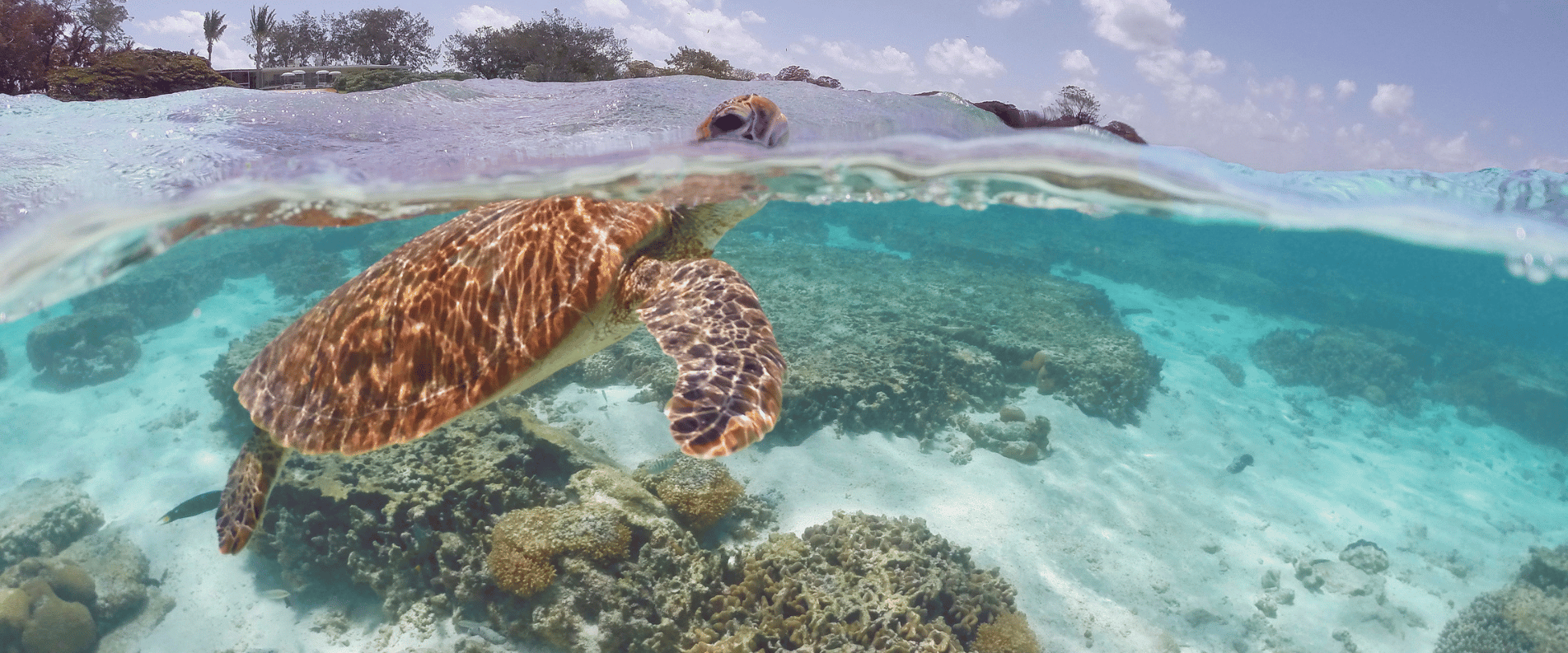
Protecting turtles in the Great Barrier Reef
Australia is home to some of the world’s most unique marine life.
From one-of-a-kind jellyfish to some very complex coral systems, it’s like a different world under the ocean! Turtles have nested along the Northern and Eastern coastlines of Australia for millions of years. They have a tough exterior shell but are gentle giants underneath! They are the dinosaurs of the deep!
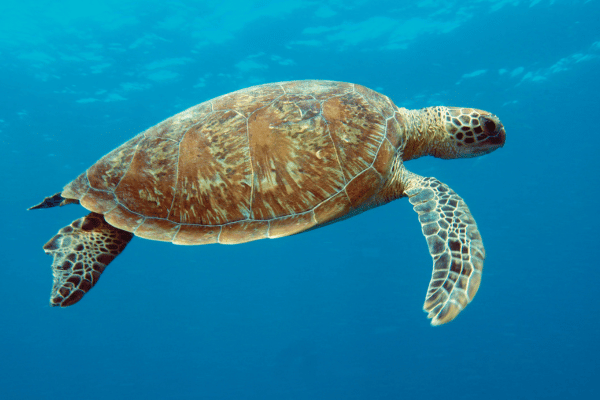
However, their survival is struggling a little under the pressure of climate change. Unfortunately, there are a few different factors affecting their survival:
- Climate change
- Marine pollution
- Human activity
These things are affecting the populations, particularly along the reef and the beaches nearby.
The world is changing, and turtles are unfortunately suffering at the hands of climate change.
How is climate change affecting turtle populations?
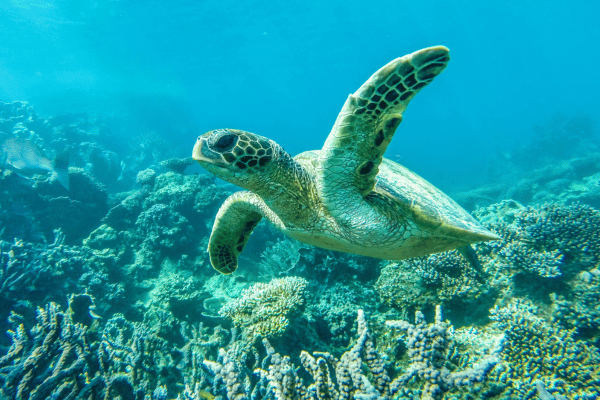
Turtles hatch in the middle of the summer. The gender of a turtle is dependent on the temperature of the sand that they hatch. Most of the hatchlings are along the beach during February until the middle of March. Warmer sand will produce mostly female hatchlings, whereas cooler sand will hatch males.
However, as the world heats up, so does the overall sand temperature. In several different areas, scientists have recorded female-heavy hatching rates. Over time, there is more of an imbalance of turtle genders, with more male eggs hatching than females.
How can conservation teams help turtles?
There are several conservation teams around Australia working hard to reduce nest temperatures, including:
- Artificial shade
- Watering sand when the heat is extreme
- Relocating nests to cooler areas
- Monitoring the conditions of turtle incubation
If the sand is warm, then often the turtles will be females. Cooler sands will hatch male turtles.
Turtle conservation efforts are carried out, where experts are trying to cool down the sand and balance out turtle populations.
Other threats
But global warming isn’t the only thing affecting the health of turtles. Turtles face lots of different threats over their lifetime (which is quite a long time – they can live up to 80 years!)
- Fishing gear: Sometimes turtles can get caught up in fishing nets, which can cause mass injury
- Boat strikes: Another danger to turtles is boats in busy reef areas. Especially if turtles are swimming closer to the surface in these areas.
- Plastics in the ocean: Ocean plastic is another crisis, as lots of plastic bags might look like jellyfish to turtles. Jellyfish are a turtle’s favourite snack, so they might accidentally eat these plastics, thinking they are food.
- Artificial lighting: From different coastal developments, artificial lighting can potentially disrupt the nesting behaviour, disorienting baby turtles from finding the ocean.
Turtle Rehab along the Great Barrier Reef
The Turtle Rehabilitation Centre is a non-profit organisation that is dedicated to rehabilitating sick turtles who are injured or ill. The organisation is volunteer-run and is dependent on donations from the community to help run it
Either visit the Turtle Rehabilitation Display at Cairns Aquarium will give its visitors insight into rescue work, biology and challenges faced on the reefs.
Fitzroy Island Turtle Rehab
There is a coral nursery project running on Fitzroy Island, which supports the restoration of the reef around the island and supports turtle longevity!
This centre is a volunteer-run organisation that is dedicated to the rehabilitation of sick and injured turtles. The Great Barrier Reef is home to six out of seven marine turtles. A lot of these turtles are threatened by a whole variety of natural and human-induced factors.
See the turtles of the Great Barrier Reef respectfully
Snorkelling amongst the waves of the Great Barrier Reef is the best way to see these beautiful and majestic creatures!
Hop on a boat and get your snorkel on, and swim amongst the waves to see the turtles for yourself!
But while you’re in the turtle territory, it’s important to help keep their home nice and clean!
Here’s how:
- Don’t leave rubbish or plastic on the beaches
- Nesting zones should be respected
- Turn off beachfront lights during hatchling season
- Don’t disturb nesting turtles or hatchlings
- Reduce single-use plastics when you’re travelling
- Don’t drop your litter in the ocean!
- Support organisations and rescue centres
Responsible tourism plays a powerful role in wildlife protection. In them are fragile ecosystems like coral reefs, and we should all try our best to keep the reefs healthy. Turtles only have a 1 in 100 chance of making it to adulthood, so let’s do everything we can to make sure we keep them from human harm!
Want to know more about turtles? Check out our blog all about cool turtle facts that may surprise you!
Other Tips & Articles
Check out our other Great Barrier Reef Tours


