


TL;DR
- Apply SPF 50+ reef-safe mineral sunscreen 20 minutes before sun exposure and reapply every two hours
- Wear a rash vest or UPF-rated shirt, a broad-brim hat, and cover the neck and ears
- Use wraparound sunglasses with UV400 protection to guard against glare reflecting off the water
- Seek shade between 10am and 4pm when UV radiation is strongest
- Drink 1 to 2 litres of water during extended reef activities to prevent dehydration
- If sunburn occurs: cool the skin, moisturise with aloe vera, stay hydrated, and avoid further sun exposure
Snorkelling over coral, swimming near turtles, and spending a full day on the water sounds ideal until you factor in the Queensland sun. The Great Barrier Reef sits in a high UV zone, and the combination of direct sunlight, heat reflected off the water, and extended outdoor time means sunburn can happen faster than most visitors expect.
Protecting yourself properly makes the experience better, not just safer. These sun safety tips for the Great Barrier Reef will help you enjoy your time on the water without paying for it later.
Why the Sun Is More Intense Near the Reef
Queensland has some of the highest UV radiation levels in the world, and conditions at the reef add to that risk. Water and sand both reflect UV rays back at you, increasing your total exposure. On a clear reef day, you’re effectively being hit from above and below at the same time.
UV exposure causes more than sunburn. Over time, it increases the risk of skin cancer, accelerates skin ageing, and can cause serious eye damage including cataracts and macular degeneration. A single day on the reef without adequate protection can result in a painful burn that affects the rest of your trip.
Sun Safety Tip 1: Choose Reef-Friendly Sunscreen
Sunscreen is non-negotiable at the reef, but not all sunscreens are equal. Many conventional sunscreens contain oxybenzone and octinoxate, chemicals that have been shown to damage coral and disrupt marine ecosystems. At a UNESCO World Heritage Site, that matters.
What to look for in a reef-safe sunscreen:
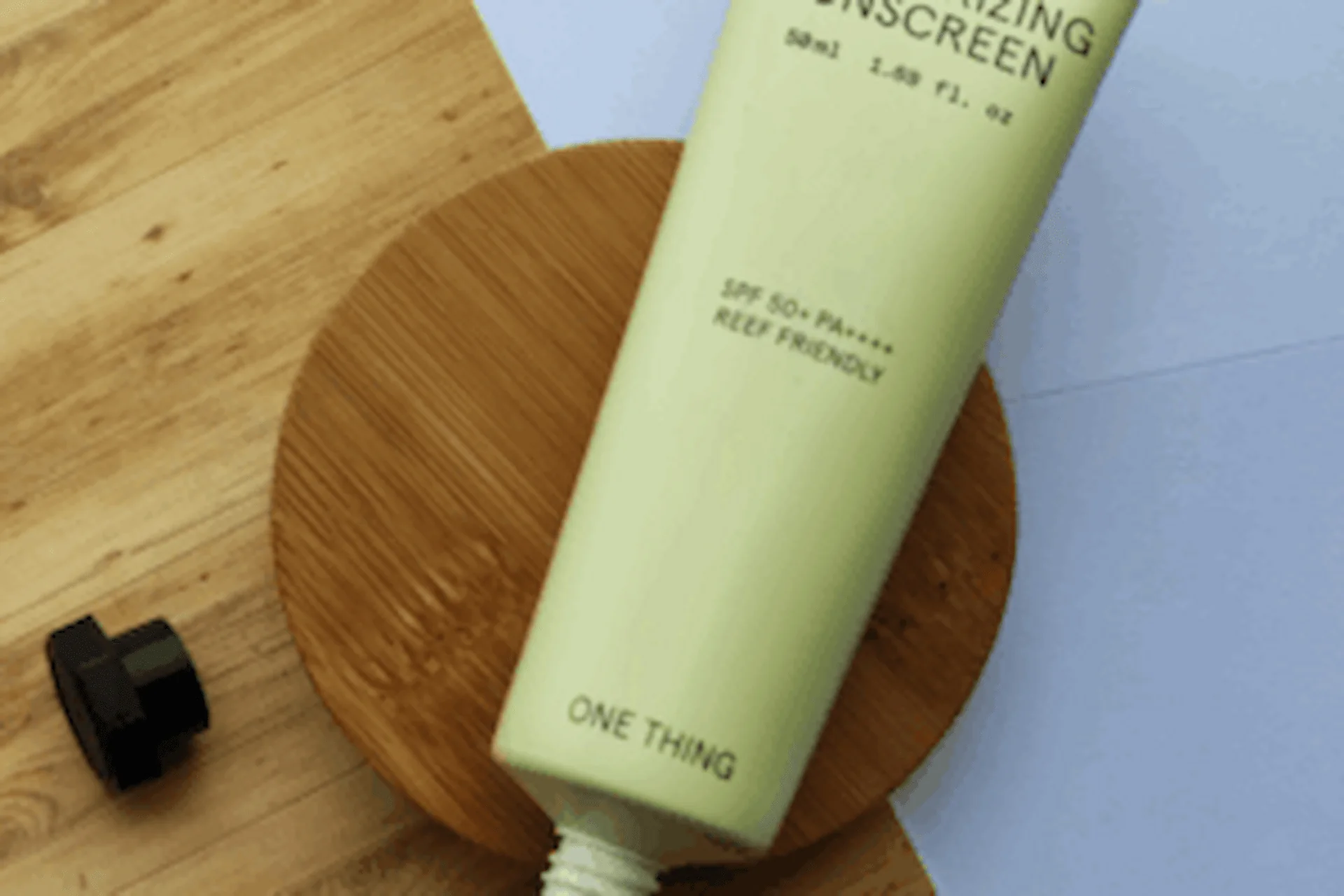
- SPF 50+ rating for maximum UV protection
- PA++++ rating, which covers UVA rays as well as UVB
- Mineral-based formula using zinc oxide or titanium dioxide
- “Reef-safe” or “reef-friendly” labelling on the packaging
How to use it: apply 20 minutes before sun exposure so it bonds to the skin. Use about a teaspoon for the face and neck, and a shot glass worth for the body. Reapply every two hours, and immediately after swimming or sweating.
Most tour operators and dive shops near the reef stock reef-safe options. If you’re bringing your own from home, check the ingredients list before you travel.
Sun Safety Tip 2: Wear Sun-Protective Clothing
Sunscreen alone is not enough for a full day on the water. Sun-protective clothing adds a meaningful second layer.
A long-sleeved rash vest or UPF (Ultraviolet Protection Factor) rated shirt blocks more UV than sunscreen applied to bare skin, and unlike sunscreen, it doesn’t wear off or wash away in the water. Most reef tour operators supply lycra stinger suits, which double as sun protection while you’re snorkelling.
On the boat, wear a hat that covers the scalp, ears, and neck. A broad-brim hat with at least a 7.5cm brim offers good all-round coverage. Baseball caps leave the ears and neck exposed, and these are common sites for sun damage and skin cancer.
The scalp is often overlooked. Hair offers some protection, but the part line and any thinning areas are vulnerable. Apply sunscreen to the exposed scalp, or keep your hat on.
Sun Safety Tip 3: Wear Sunglasses
Water reflects up to 25% of UV radiation, significantly increasing the amount reaching your eyes compared to inland locations. Prolonged UV exposure to the eyes raises the risk of cataracts, pterygium (a growth on the white of the eye), and macular degeneration.
When choosing sunglasses for a reef visit, look for:
- UV400 protection, which blocks 99 to 100% of UVA and UVB rays
- Wraparound or close-fitting frames that block light coming from the sides
- Polarised lenses to reduce glare off the water
- Impact-resistant lenses suited to outdoor and water activities
Avoid sunglasses that list only “UV protection” without specifying the rating. The darkness or colour of the lens tells you nothing about UV protection levels.
Sun Safety Tip 4: Seek Shade
UV radiation is strongest between 10am and 4pm. This overlaps with the prime hours most reef tours run. Use shaded areas whenever you’re not actively in the water.
Most reef pontoons and day tour boats have covered decks or shade structures. Use them between snorkel sessions rather than sitting in direct sun. A few extra minutes of shade adds up significantly over a six or eight hour reef day.
On island stops or beach breaks, look for natural shade under trees, or set up your own with a beach umbrella or a UV-rated shade tent. Some operators provide shade structures on the water, but it’s worth checking before you book.
Sun Safety Tip 5: Stay Hydrated
Dehydration is a real risk during reef activities. You’re sweating in the heat, breathing salt air, and often not noticing how much fluid you’re losing. The effects show up as fatigue, headache, and reduced energy.
Drink water consistently throughout the day rather than waiting until you’re thirsty. Small sips every 15 to 20 minutes work better than drinking a large amount at once. Over a full reef day, aim for 1.5 to 2 litres for adults. Children lose fluid at a similar rate relative to their body size, so keep water within reach for them too.
Avoid relying on alcohol, coffee, or sugary drinks during reef days. They don’t hydrate as effectively and can mask how dehydrated you actually are.
What to Do If You Get Sunburnt
Despite good preparation, sunburn can still happen. Managing it quickly reduces discomfort and speeds up recovery.
| Step | What to Do |
| Cool the skin | Apply cool tap water compresses or take a cool shower for 10 to 20 minutes. Avoid ice or very cold water. |
| Moisturise | Use aloe vera gel or calamine lotion. Refrigerating the product before applying adds extra relief. |
| Stay hydrated | Drink plenty of water. Sunburn draws fluid to the skin surface and contributes to dehydration. |
| Avoid further irritation | Wear loose, soft clothing over burned areas. Don’t peel or scrub the skin. |
| Avoid further sun exposure | Stay out of direct sun until the burn has healed. Cover affected areas if you need to go outside. |
Severe sunburn, particularly with blistering, fever, or nausea, warrants medical attention. Don’t ignore it.
Conclusion
The reef is best experienced when you’re not worrying about a burn halfway through the day. Apply reef-safe sunscreen before you board, wear protective clothing and a hat, protect your eyes, and drink water regularly.
Choosing reef-safe sun protection products also matters for the marine environment you’re there to see. The coral and marine life are worth looking after.
Ready to plan your reef visit? Explore our Great Barrier Reef Tour now!
FAQ
What are the sun safety tips for visiting the Great Barrier Reef?
Apply SPF 50+ reef-friendly mineral sunscreen 20 minutes before sun exposure and reapply every two hours. Wear sun-protective clothing including a rash vest and broad-brim hat. Use wraparound sunglasses with UV400 protection. Seek shade between 10am and 4pm, and drink 1 to 2 litres of water throughout the day.
When are the sun’s rays strongest at the Great Barrier Reef?
UV radiation is strongest between 10am and 4pm. This window coincides with most reef tour activities, so it’s worth planning shade breaks and sunscreen reapplication around these hours.
Why use reef-friendly sunscreen at the Great Barrier Reef?
Many conventional sunscreens contain chemicals like oxybenzone and octinoxate that have been shown to damage coral and affect marine ecosystems. Reef-safe sunscreens use mineral-based ingredients like zinc oxide instead, which are effective for skin protection and far less harmful to the marine environment.
What should I do if I get sunburnt at the Great Barrier Reef?
Cool the affected skin with cool water compresses or a cool shower. Apply aloe vera gel or calamine lotion to moisturise. Drink extra water to stay hydrated. Wear loose clothing and avoid peeling or scrubbing the skin. If the burn involves blistering, fever, or nausea, see a doctor.
How do I protect my eyes, scalp, and hair from the sun?
Wear wraparound sunglasses with UV400 protection to shield your eyes from direct and reflected UV. For the scalp, apply sunscreen to exposed areas or wear a broad-brim hat with at least a 7.5cm brim. Hair provides some protection but doesn’t cover the part line or thinning areas, which are particularly vulnerable.
Other Tips & Articles
Check out our other Great Barrier Reef Tours


